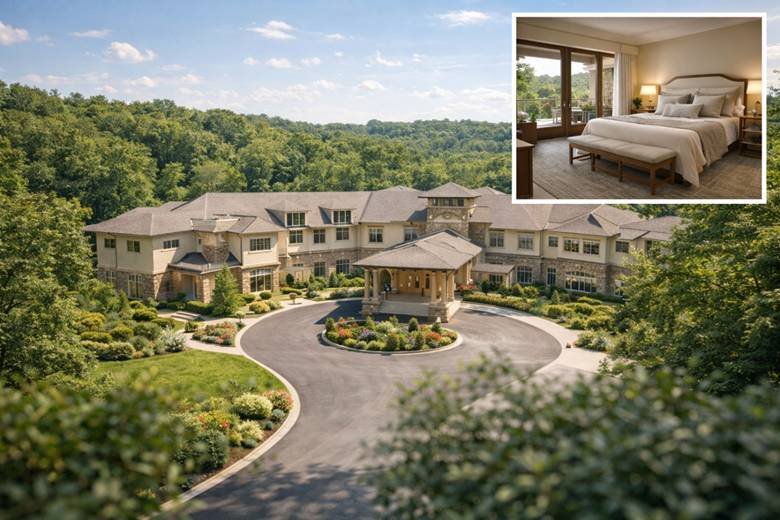
Searching for Luxury alcohol rehab centers in Arkansas with private rooms usually means you’re looking for more than a bed and a schedule. You want treatment that feels safe, discreet, and genuinely supportive, not clinical and crowded. Maybe you’re a professional who can’t afford to disappear into a chaotic environment. Maybe you’re a parent who needs quiet to reset. Or maybe you’ve tried getting sober before and realized that privacy, rest, and dignity are not “extras” for you, they’re part of what makes recovery possible.
This guide breaks down what “luxury” can actually mean in rehab, why private rooms matter, what to look for in a program in Arkansas, and how to compare options without getting overwhelmed. The goal is simple: help you make a smart, grounded decision that protects your health and your future.
What “luxury” should mean in addiction treatment
Luxury is a loaded word. In the rehab world, it can be helpful or it can be a marketing shortcut. The difference comes down to whether the comforts support the clinical work.
A truly high-quality program uses comfort to reduce stress, improve sleep, and create stability so you can do the hard emotional and behavioral work. A glossy lobby alone does not change outcomes. But a calm environment, predictable routine, and strong staffing often do.
When you’re comparing facilities, think of luxury as a combination of three things:
First, privacy and calm. Private rooms, quiet spaces, and fewer distractions matter more than fancy furniture.
Second, clinical strength. You want licensed professionals, evidence-based therapy, and a plan that continues after discharge.
Third, personalization. Luxury care should feel tailored. Not everyone needs the same schedule, the same therapy mix, or the same aftercare.
If a center can’t clearly explain its treatment approach, staff credentials, and medical coverage, the “luxury” label is probably doing too much of the work.
Why private rooms can make a big difference
Private rooms are not just about comfort. For many people, they change the entire experience of treatment.
Sleep improves when you are not sharing space with a stranger. And better sleep supports emotional regulation, cravings management, and mood stability.
Privacy can also reduce shame. Many people entering rehab are carrying a heavy mix of fear, guilt, and anxiety. Having a private room gives you a place to breathe, cry, journal, pray, or simply sit quietly without feeling watched.
For professionals or public facing individuals, privacy can lower the stress of being recognized. Even if you never meet someone you know, the fear of it can be enough to keep you from fully engaging.
And if you have trauma history, sensory sensitivity, or social anxiety, a private room can be the difference between shutting down and staying present in therapy.
Private rooms do not replace group work. Group therapy is often a core part of recovery. But having a private space to reset between sessions can help you show up better.
What to expect from luxury alcohol rehab in Arkansas
Arkansas offers a range of treatment options, from community-based programs to higher end residential centers. The most reputable “luxury” or premium options typically include medically supervised detox, structured therapy, wellness supports, and comfortable living spaces.
Here’s what you should realistically expect a strong program to provide.
A safe, medically supported start. Alcohol withdrawal can be dangerous for some people. A quality program will assess your drinking history, previous withdrawal symptoms, and health conditions, then build a detox plan with medical oversight.
A structured daily schedule. Even in luxury settings, rehab should not feel like a vacation. You’ll usually have individual therapy, group therapy, education sessions, and wellness or recovery activities most days.
Evidence-based therapy. Look for approaches like cognitive behavioral therapy, dialectical behavior therapy skills, motivational interviewing, trauma informed therapy, and relapse prevention planning.
Support for co-occurring mental health. Anxiety, depression, PTSD, and insomnia often travel with alcohol use. You want a program that treats both, not one that pushes mental health to the side.
A discharge plan that actually exists. The best programs build aftercare from the beginning, not the day before you leave. This may include outpatient therapy, virtual sessions, recovery coaching, alumni groups, and help connecting to local support.
Luxury alcohol rehab centers in Arkansas with private rooms: what to look for before you commit
When you’re searching for Luxury alcohol rehab centers in Arkansas with private rooms, it helps to have a simple checklist. Not the kind that feels like homework, but the kind that prevents regret.
1) Medical coverage and detox capability
Ask who is on-site and when. Some centers have 24/7 nursing with a physician overseeing detox. Others rely on on-call coverage. There is no single “right” setup for everyone, but you deserve to know the reality.
If you have a history of severe withdrawal, seizures, hallucinations, or high blood pressure, prioritize strong medical supervision.
2) Staff credentials and patient to staff ratio
A calm environment depends on staffing. Ask how many clients are typically in residence at one time. Ask how many therapists, nurses, and techs are on each shift. Ask about licensed clinicians versus interns.
If the answers are vague, that is a signal.
3) A clear treatment model
A reputable program can explain its therapeutic approach in plain language. You should hear things like: how relapse prevention is taught, what individual therapy looks like, how trauma is handled, and what family involvement is available.
If everything sounds like generic promises, push for specifics.
4) Private room details
Not all “private rooms” are equal. Confirm whether the room is fully private, whether the bathroom is private, and whether private rooms are guaranteed or “based on availability.”
Also ask whether there are quiet hours and how the facility handles sleep, noise, and roommate conflicts for those who do share space.
5) Discretion and confidentiality
If privacy is a top priority, ask about arrival procedures, visitor policies, photography rules, and how staff handle confidentiality.
A professional facility takes privacy seriously without making it feel dramatic.
6) Food, comfort, and wellness supports
Luxury amenities should support recovery: nutritious meals, good sleep conditions, movement options, and stress reduction supports like meditation, breathwork, yoga, or access to nature.
A fancy menu does not matter if therapy is weak. But a steady routine of good nutrition and movement can absolutely support mental health and cravings reduction.
7) Family communication and boundaries
Some people need family involvement. Others need distance. Ask how family sessions work, what boundaries the center supports, and whether they offer education for loved ones.
8) Aftercare that matches real life
Before you enroll, ask what happens after residential treatment. Do they help coordinate an intensive outpatient program? Do they offer alumni support? Do they help you build a relapse prevention plan that includes triggers, boundaries, coping skills, and a recovery network?
A strong program helps you rehearse real life, not just survive rehab.
Levels of care you might see, and why it matters
When people picture rehab, they usually picture residential treatment. But care levels vary, and the right match depends on severity, safety, and support at home.
Medical detox is the beginning if withdrawal risk is significant. Detox is not the same as rehab. Detox stabilizes your body. Rehab changes patterns.
Residential or inpatient treatment is a live-in environment with daily therapy and structure. This is where private rooms are most relevant.
Partial hospitalization programs provide structured daytime treatment while you sleep elsewhere, sometimes in sober housing.
Intensive outpatient programs offer therapy several days a week while you live at home and keep some routines.
Standard outpatient therapy may be a step-down option after higher levels of care.
A good facility can explain what level is appropriate now, and what the next steps will be. If a center pushes one program length for everyone, that’s not individualized care.
How long should treatment be?
There is no magic number, but there is a reality: it takes time to heal your nervous system, build new coping skills, and practice them enough to trust them.
Many people start with 28 to 30 days. Some benefit from 45 to 60 days, especially with long-term heavy drinking, repeated relapses, or co-occurring trauma and mental health issues.
Instead of focusing only on days, focus on milestones. Are cravings more manageable? Are you sleeping? Do you have a plan for triggers? Have you practiced refusal skills? Do you have support lined up for when stress hits?
Length matters, but what you do during that time matters more.
Questions to ask on a call with a rehab center
If you only take one thing from this guide, let it be this: ask direct questions and listen to how they answer.
Here are strong questions that cut through sales talk:
Who provides medical oversight during detox, and how often are vitals monitored?
What is your typical daily schedule?
How many individual therapy sessions per week do clients receive?
How do you treat anxiety, depression, trauma, or insomnia alongside alcohol use?
Are private rooms guaranteed, and do they include a private bathroom?
How many clients are in the program at one time?
What does aftercare planning include, and when does it start?
Do you help coordinate outpatient care in my area after discharge?
What happens if I relapse after leaving, do you offer support or re-entry options?
A quality center will answer with clarity, not irritation.
The emotional side: choosing a place when you’re already exhausted
People often underestimate how emotionally heavy this decision is. You may feel scared, ashamed, angry, or numb. You may be negotiating with yourself. You may be trying to protect your reputation while also trying to stay alive inside your own mind.
If private rooms matter to you, that is not “being picky.” It is knowing what helps you function. The goal is not to prove toughness. The goal is to recover.
Comfort alone is not recovery, but comfort can remove barriers that keep you from doing the work.
Red flags to avoid
Not every center that looks good online is good in practice. Watch for these signs:
They refuse to answer staff credential questions.
They guarantee a cure or promise “no relapse.”
They pressure you to enroll immediately without discussing medical needs.
They cannot explain the difference between detox and rehab.
They won’t put details in writing, especially regarding private room availability and costs.
They focus more on amenities than treatment structure.
Trust your gut, but also trust the questions. If the answers keep sliding away, that’s information.
Paying for luxury care: what to understand upfront
Costs vary widely. Some programs accept insurance for parts of care, while others are private pay. Even within one center, coverage can differ between detox, residential treatment, and mental health services.
Ask for a clear breakdown: what is included, what may be billed separately, whether private rooms add cost, and what happens if you need to extend care.
If you have insurance, you can also ask whether the facility verifies benefits, what your estimated out-of-pocket cost is, and whether they offer financing or payment plans.
Transparency is part of quality.
Last thoughts
Choosing treatment is not a lifestyle decision. It is a health decision with ripple effects across your relationships, your work, and your future. If you are looking for Luxury alcohol rehab centers in Arkansas with private rooms, you are likely trying to give yourself the best chance to rest, feel safe, and actually focus on getting well. That’s not indulgence. That’s strategy.
The right place will respect your privacy, offer real clinical strength, and build a plan that continues after you leave. If you keep those priorities at the center of your search, you’ll be far more likely to find a program that supports not just sobriety, but a life you can actually live.
If you want, paste the name or link of a specific Arkansas facility you’re considering and I’ll help you compare it against this checklist (private rooms, detox safety, clinical depth, and aftercare) without fluff.